Dialogue Earth
17 November 2022
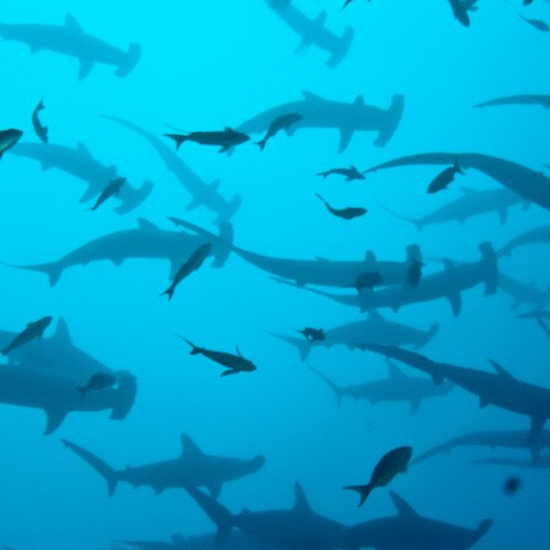
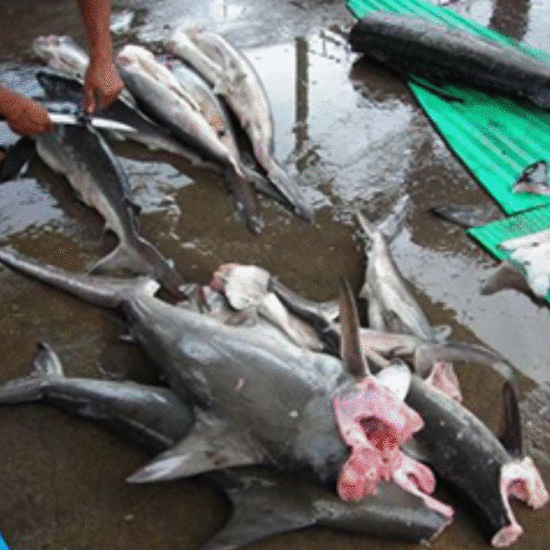
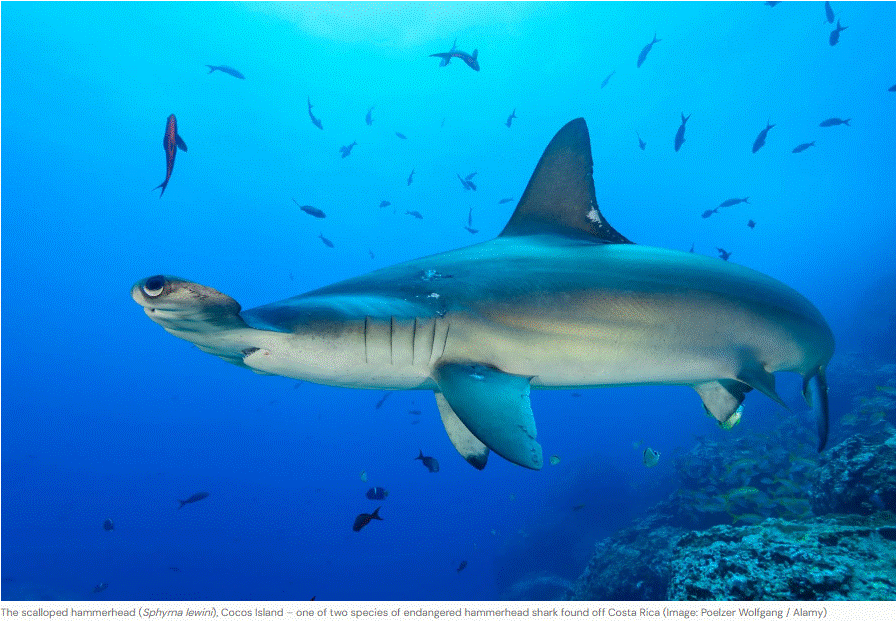
Despite the precarious status of hammerheads, Costa Rica allows around 7,000 to be captured each year.
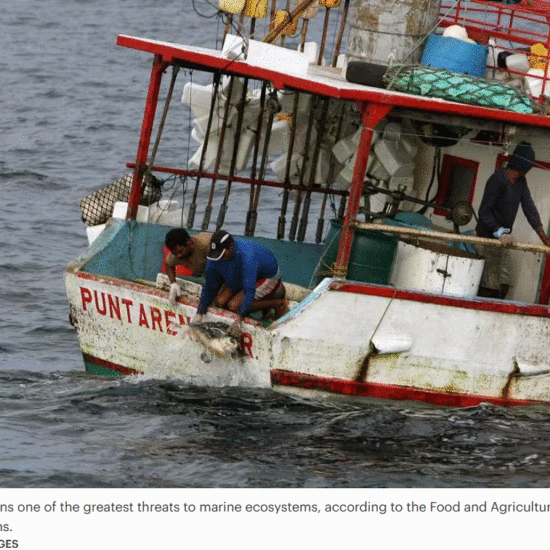
Despite Costa Rica’s reputation as a global leader in environmental protection, the country continues to legally allow the capture of thousands of endangered sharks each year—particularly hammerhead sharks. Data from the national fisheries authority shows that between 2015 and 2019, around 7,000 hammerheads were landed annually, even though these species are classified as endangered. The situation reflects a shift from historically abundant shark populations to a decline driven by industrial and semi-industrial fishing fleets, which have replaced many traditional fishing practices and contributed to broader losses in marine biodiversity.
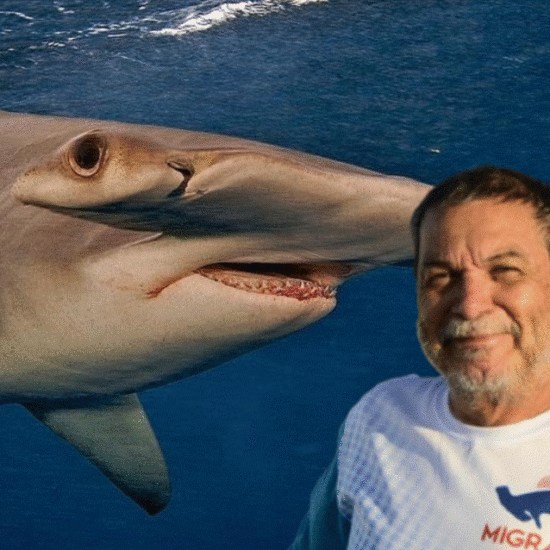
Sharks play a critical role as top predators, and their decline disrupts the balance and resilience of marine ecosystems. Conservationists, including Randall Arauz, warn that continued exploitation—enabled by gaps in policy, enforcement, and fisheries management—undermines both national and international conservation commitments. This disconnect between policy and practice raises serious concerns that ongoing fishing pressure could push already vulnerable shark populations closer to collapse without stronger protections and enforcement.